Afrobeats.no
How African music found a home in Scandinavia and where the Norwegian Afrobeats scene is headed.
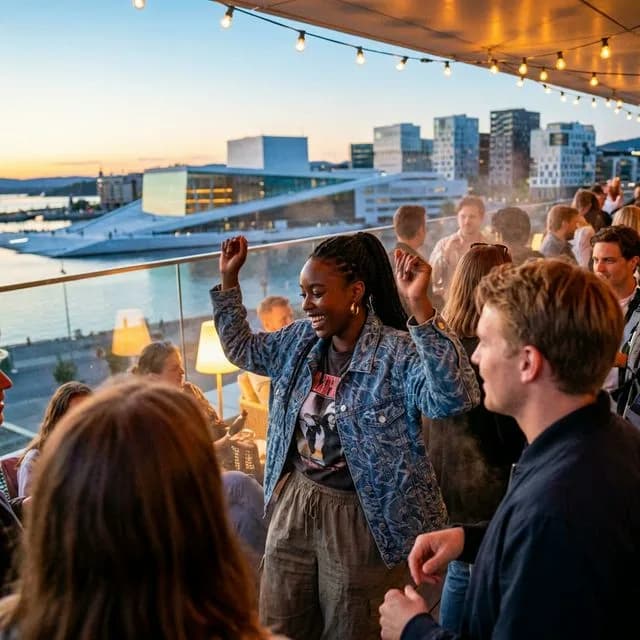
Walk into the right club in Oslo on the right night, and you'll hear it: the drums, the log drums, the energy of Afrobeats and Amapiano filling the room.
But it wasn't always like this.
The story of Afrobeats in Norway is the story of a diaspora creating home, a sound finding new audiences, and a scene growing from basement parties to mainstream recognition.
The Foundation
The Diaspora
Norway's African diaspora — Nigerians, Ghanaians, Eritreans, Somalis, and more — brought their music with them. Long before streaming algorithms, Afrobeats spread through community gatherings, cultural events, and home parties.
These weren't "Afrobeats nights" with promotional flyers. They were family events, birthday parties, community celebrations where the music of home was simply what you played.
This foundation matters. Before Afrobeats was trendy, it was tradition.
The Early Events
In the 2010s, dedicated Afrobeats events started emerging in Oslo and other Norwegian cities. Promoters from the diaspora organized nights at small venues — sometimes successful, sometimes empty, always building.
These events faced challenges:
- Limited venues willing to host
- Marketing largely through word-of-mouth and diaspora networks
- Competition from mainstream club nights
- Misunderstanding from venue owners about what Afrobeats was
But persistence paid off. Each successful night proved demand existed.
The Growth
Streaming Changed Everything
When Wizkid's "One Dance" feature with Drake went global, Norwegian playlists suddenly had Afrobeats tracks. When Burna Boy won the Grammy, Norwegian media paid attention. When "Essence" became the song of the summer, Norwegian clubs had to play it.
Streaming normalized Afrobeats for mainstream Norwegian audiences. What was once "ethnic music" became simply "music."
The Venue Shift
As demand grew, more venues opened their doors:
- Oslo clubs started hosting dedicated Afrobeats nights
- Festivals included Afrobeats stages
- Concerts by visiting artists sold out
The scene went from underground to visible.
The New Generation
Norwegian-born children of African immigrants grew up code-switching between cultures. They speak Norwegian fluently but grew up with Afrobeats at home. They're comfortable in both worlds.
This generation doesn't see Afrobeats as "their parents' music" — they see it as their music, their identity, their connection to heritage.
The Current Scene
Oslo
The capital is the center of Norway's Afrobeats scene. Key elements include:
- Regular Afrobeats nights at established venues
- A growing roster of local DJs who specialize in African music
- Annual events and festivals with African music programming
- Record shops and cultural spaces serving the community
Bergen, Trondheim, Stavanger
Smaller scenes exist in other Norwegian cities. The diaspora is smaller, the venues fewer, but the energy is present. DJs travel from Oslo, local communities organize events, and the sound spreads.
The Digital Scene
Beyond physical events, Norway's Afrobeats community thrives online:
- Instagram pages promoting events and music
- WhatsApp groups sharing new releases
- TikTok creators making content to Afrobeats tracks
- Spotify playlists curated by Norwegian Afrobeats fans
The Challenges
Education Gap
Many Norwegian venues, promoters, and mainstream audiences still don't understand Afrobeats deeply:
- Confusing Afrobeats with Amapiano with Dancehall
- Not knowing how to book authentic acts
- Treating African music as a monolith rather than diverse genres
This is why Afrobeats.no exists — to bridge that knowledge gap.
Venue Access
While improving, getting consistent venue support remains challenging. Some venues still see Afrobeats nights as "risky" due to outdated stereotypes. Building trust takes time.
Talent Recognition
Norwegian-African DJs often have to work twice as hard for recognition. Mainstream bookings, festival slots, and media coverage still skew toward non-African music. The scene exists, but opportunities don't always match.
The Opportunity
Global Trend, Local Expression
Afrobeats is one of the fastest-growing genres globally. Norway has the diaspora, the demand, and the growing mainstream interest. The opportunity is to build something significant.
Cultural Bridge
Norwegian Afrobeats events bring together:
- The African diaspora celebrating their culture
- Norwegians discovering new sounds
- Second-generation immigrants connecting with heritage
- Music lovers who just want to dance
This bridging function is powerful. Music creates community across backgrounds.
Economic Potential
Events, DJs, content creators, venues — there's an economy around Afrobeats in Norway waiting to grow. As the scene professionalizes, opportunities expand.
The Future
Mainstream Integration
Afrobeats will continue moving from niche to mainstream in Norway. Radio play will increase. Festival bookings will grow. The sound will become normal, not novel.
Local Artists
The next wave may include Norwegian-based Afrobeats artists — producers and singers making original music from here. The infrastructure is building for that to happen.
Cultural Institution
What's missing is an institution — a place, platform, or organization that anchors the scene. That serves as the go-to resource for knowledge, connection, and community.
That's the role Afrobeats.no is building toward.
Where We Come In
Afrobeats.no exists to:
- Document and celebrate Norway's Afrobeats scene
- Educate audiences who want to understand the music
- Connect DJs, events, and fans in one place
- Be the source Norwegians turn to for African music culture
The scene is growing. We're here to help it thrive.
Afrobeats in Norway — past, present, and future.