Afrobeats.no
The complete history of Oslo's Afrobeats scene - from underground house parties to mainstream venues. How Nigerian and Ghanaian diaspora shaped Norway's African music culture.
The Rise of Afrobeats in Oslo: From Underground to Mainstream
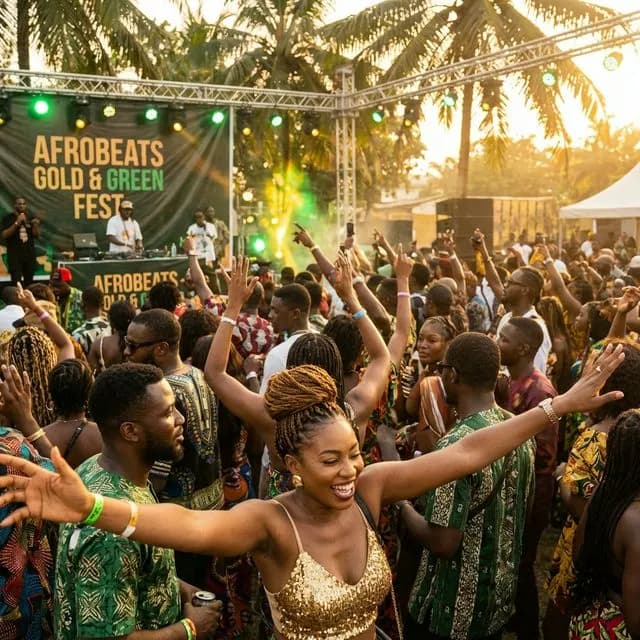
Ten years ago, if you wanted to hear authentic Afrobeats in Oslo, your best bet was crashing a house party in Groruddalen or finding an underground event through word-of-mouth. Today, the pulsing rhythms of Lagos and Accra soundtrack everything from exclusive Tjuvholmen venues to packed nights at Grünerløkka's most respected clubs.
This is the story of how Afrobeats conquered Oslo – a journey that mirrors the global rise of African music while remaining uniquely Norwegian in its cultural fusion and community spirit.
The Underground Years (2014-2018): House Parties and Hidden Venues
The Pioneer Generation
Oslo's Afrobeats story begins not in nightclubs but in living rooms, community centers, and improvised venues across the city's diverse neighborhoods. The catalyst was a growing population of Nigerian and Ghanaian students, professionals, and asylum seekers who brought their music with them as a connection to home.
Key Figures from the Early Days:
DJ Kano (then known as "Kano the Selector") was spinning at small gatherings in Groruddalen apartments, carrying vinyl and CDs of Nigerian music that wouldn't reach streaming platforms for years. His reputation spread through WhatsApp groups and community networks – if Kano was playing, the party was worth finding.
Mama Afrique Events started as informal gatherings organized by a collective of West African women. These weren't just parties but cultural preservation moments where second-generation Norwegians could connect with their roots while introducing Norwegian friends to authentic African culture.
The Basement Crew operated out of a converted basement space in Grønland, hosting monthly "Lagos Nights" that attracted a dedicated following of 50-100 people. The sound system was basic, the space was cramped, but the energy was infectious.
The Music: Importing Culture
During this period, DJs relied on physical media and digital files sent from friends in Lagos and Accra. Streaming platforms barely featured African artists beyond "world music" categories, so staying current required personal networks and cultural connections.
The Soundtrack of Early Oslo Afrobeats:
- Wizkid's "Holla at Your Boy" (2010) was already an anthem
- D'banj's "Oliver Twist" (2012) crossed over to some mainstream Norwegian clubs
- Davido's "Dami Duro" (2011) became a house party essential
- Tiwa Savage's early catalog provided representation for female Afrobeats fans
The Community: More Than Music
These early events served purposes beyond entertainment. They were:
- Cultural preservation spaces for diaspora communities
- Integration opportunities for new immigrants
- Educational experiences for Norwegian-born Africans
- Social networking hubs for professional and personal connections
The music was the draw, but the community was the foundation. Attendees would share information about jobs, housing, legal services, and cultural events. DJs like Kano became unofficial community leaders, trusted with announcements about community meetings or cultural celebrations.
The Challenges
Operating in the underground meant facing significant obstacles:
Venue Restrictions: Most traditional venues had noise restrictions or cultural biases that made African music events unwelcome.
Financial Barriers: Equipment rental, security deposits, and insurance requirements were prohibitive for community organizers.
Cultural Misunderstanding: Norwegian authorities and venue owners often didn't understand African music culture, leading to misconceptions about crowd behavior and event safety.
Limited Promotion: Without social media sophistication or mainstream media access, events relied on word-of-mouth and community networks.
The Transition Period (2018-2021): Breaking Into Mainstream Venues
The Breakthrough Moment
The turning point came in late 2018 when Blå, already known for supporting diverse musical communities, hosted its first official "Afrobeats Night." The event sold out in advance – something that surprised both the venue and the organizers.
DJ Neptune, who had been building a following through university events, was tapped to headline. His ability to seamlessly mix Afrobeats with genres more familiar to Norwegian audiences (house, pop, hip-hop) created a template that other DJs would follow.
The success at Blå opened doors. Venue owners realized that Afrobeats events attracted young, diverse, and enthusiastic crowds willing to pay premium prices for authentic experiences.
Key Venues Embrace the Movement
Blå's Monthly Series (2019-Present) Starting with quarterly events, Blå expanded to monthly "Lagos Nights" by 2020. The venue's respect for musical authenticity and professional production values attracted both diaspora communities and Norwegian music lovers.
The Villa's Evolution (2019-Present)
The Villa initially added Afrobeats as background music during dinner service but quickly realized the genre's commercial potential. Their "Afro Thursdays" launched in 2020 and became one of Oslo's most consistent African music events.
Jaeger's Cultural Experiment (2020-Present) Jaeger's management made a conscious decision to diversify their programming, recognizing Oslo's changing demographics. Their monthly "African Heat" series balanced commercial viability with cultural authenticity.
The Social Media Revolution
Instagram changed everything for Oslo's Afrobeats scene. Suddenly, events could be promoted visually, DJs could build personal brands, and attendees could share experiences in real-time.
Key Developments:
- Instagram stories made event discovery easier than WhatsApp forwards
- TikTok challenges introduced Afrobeats dances to broader Norwegian youth
- YouTube DJ sets allowed fans to experience the music outside of events
- Spotify playlists made African music accessible to mainstream audiences
Cultural Crossover Moments
2019: Burna Boy's Global Breakthrough When Burna Boy won the Grammy for "Twice As Tall," Norwegian media finally paid attention to Afrobeats as a serious musical movement. Local newspapers interviewed Oslo's Afrobeats DJs and promoters, legitimizing the scene.
2020: COVID-19 and Virtual Events The pandemic forced innovation. Oslo's Afrobeats community pioneered virtual dance parties, Zoom DJ sets, and drive-in concerts. These events attracted Norwegian participants who might never have attended physical Afrobeats events.
2021: Amapiano Arrives South African Amapiano music entered Oslo through student communities and streaming platforms. DJs like DJ Sahara specialized in this new sound, attracting younger crowds and expanding the African music umbrella.
The Mainstream Era (2021-Present): Commercial Success and Cultural Recognition
Corporate Investment and Professional Management
By 2021, Oslo's Afrobeats scene had proven its commercial viability. Professional event companies began investing in African music programming, bringing higher production values but also raising questions about cultural authenticity.
Major Developments:
Vulkan Arena's Festival-Style Events (2022-Present) Vulkan's quarterly "Afrobeats Festival" events attract 800+ attendees and feature multiple DJs, live performers, and cultural programming. These events set new standards for production quality and audience experience.
Sentrum Scene's Regular Programming (2021-Present) One of Oslo's most established venues committed to bi-weekly Afrobeats nights, signaling mainstream acceptance of the genre as a regular part of Norwegian nightlife.
Corporate Sponsorship Emergence Norwegian brands like Telenor and DNB began sponsoring Afrobeats events, recognizing the demographic alignment with their diversity and inclusion goals.
The Second Generation: Norwegian-Raised African DJs
A new generation of DJs emerged: second-generation Norwegians with African heritage who brought unique perspectives to the scene.
DJ Afrobeats Queen (Amina Oslo) Born in Oslo to Nigerian parents, she represents the Norwegian-African experience through music selection that honors both cultures.
DJ Amapiano Prince (Thabo Bergen) Moved from South Africa as a child, bringing authentic Amapiano knowledge while understanding Norwegian cultural nuances.
These DJs serve as cultural bridges, equally comfortable explaining Norwegian drinking culture to visiting African artists and educating Norwegian audiences about African musical traditions.
The Role of African Diaspora Growth
Oslo's African population grew significantly between 2015-2025, driven by:
- International students at Norwegian universities
- Professional migration in tech, healthcare, and finance
- Family reunification programs
- Asylum seekers primarily from Horn of Africa
This population growth provided both audience and talent for the expanding Afrobeats scene.
Media Recognition and Cultural Legitimacy
NRK Coverage (2022) Norway's national broadcaster produced a documentary about Oslo's Afrobeats scene, featuring interviews with DJs, promoters, and community members. This mainstream media attention signaled full cultural recognition.
Academic Interest (2023) The University of Oslo's music department began researching African music's integration into Norwegian culture, treating the Afrobeats scene as a legitimate subject for academic study.
Tourism Integration (2024) Visit Oslo began promoting Afrobeats events as part of the city's cultural attractions, recognizing the genre's role in Oslo's international appeal.
Current State (2024-2026): Maturity and Diversification
Venue Ecosystem
Oslo now supports a full ecosystem of Afrobeats venues:
Premium Venues: The Villa, SALT (selective programming)
Mainstream Clubs: Blå, Jaeger, Sentrum Scene
Cultural Spaces: Cosmopolite, various community centers
Underground/Alternative: Smaller venues and pop-up events
Festival Integration: Summer festivals now regularly include Afrobeats artists
Genre Diversification
The scene has expanded beyond "Afrobeats" to include:
- Nigerian Afrobeats (Wizkid, Burna Boy, Davido)
- Ghanaian Afrobeats (Stonebwoy, Sarkodie, Shatta Wale)
- South African Amapiano (Kabza De Small, Tyler ICU)
- Afro-House (Black Coffee, DJ Maphorisa)
- Classic Afrobeat (Fela Kuti, Tony Allen)
- Afro-Fusion (Genre-blending contemporary artists)
Business Maturity
Professional DJ Management: Multiple agencies now represent Afrobeats DJs Event Production Companies: Specialized firms handling large-scale African music events Venue Partnerships: Long-term contracts between DJs and venues Equipment Rental: Professional sound and lighting companies catering to African music events
Cultural Integration Success Stories
Corporate Events: Norwegian companies regularly book Afrobeats DJs for diversity celebrations and international team building
Wedding Integration: Mixed couples (African-Norwegian) choosing Afrobeats for ceremonies and receptions
University Culture: African music is now standard programming at student events across Norwegian institutions
Festival Appearances: Major Norwegian festivals (Øya, by:Larm) regularly feature Afrobeats artists
Challenges and Controversies
Authenticity vs. Commercialization
As Afrobeats became commercially successful, debates emerged about cultural authenticity:
The "Lagos vs. Oslo" Debate: Are Norwegian-based Afrobeats events authentic African culture or cultural appropriation?
DJ Credentials: Should Norwegian DJs without African heritage be playing African music professionally?
Commercial Programming: When venues prioritize profitable hits over cultural education, does the music lose meaning?
Economic Pressures
Rising Costs: Venue rental, equipment, and insurance costs have increased as events became mainstream
Corporate Influence: Sponsor requirements sometimes conflict with cultural authenticity
Gentrification Effects: Successful Afrobeats events contribute to neighborhood gentrification, potentially displacing the communities that created the scene
Competition and Market Saturation
DJ Oversaturation: More DJs entering the market than events can support
Event Competition: Multiple Afrobeats events on the same night divide audiences
Quality Consistency: Rapid expansion has led to events with poor production values damaging the scene's reputation
The Global Context: Oslo's Place in Worldwide Afrobeats Culture
International Recognition
Oslo's Afrobeats scene is now recognized globally:
- International DJs regularly include Oslo on European tours
- African artists specifically request Oslo shows when touring Norway
- Music industry professionals study Oslo as a model for African music integration in European markets
Cultural Export
Norwegian-based African artists and DJs now export their unique sound:
- Nordic-Afrobeats fusion emerging as a distinct subgenre
- Oslo-style event production being copied in other European cities
- Norwegian music technology being used by African artists
Diplomatic Soft Power
The Norwegian government recognizes Afrobeats culture as diplomatic soft power:
- Cultural exchanges with Nigeria and Ghana
- Music industry partnerships supporting African artist development
- Tourism promotion featuring Oslo's African music scene
Future Outlook: The Next Decade (2026-2036)
Technology Integration
Virtual and Augmented Reality: Immersive Afrobeats experiences connecting Oslo to Lagos in real-time
AI-Powered Music Discovery: Technology helping DJs find and mix African music more effectively
Blockchain and NFTs: Direct support mechanisms for African artists through Norwegian fans
Live Streaming Integration: Hybrid events connecting physical Oslo venues with global online audiences
Cultural Evolution Predictions
Third-Generation Impact: Children of current diaspora communities will bring new perspectives to the scene
Genre Fusion Acceleration: Norwegian musical traditions (folk, electronic) blending with African rhythms
Mainstream Integration Complete: Afrobeats becoming as normal as any other genre in Norwegian nightlife
Educational Integration: African music studies becoming standard in Norwegian music education
Economic Development
Music Tourism Growth: Oslo becoming a European destination for Afrobeats tourism
Artist Development Programs: Norwegian institutions supporting African artist career development
Technology Export: Norwegian music tech companies serving African markets
Cultural Industry Expansion: Norwegian creative industries integrating African influences
Challenges to Address
Sustainability: Ensuring long-term cultural authenticity amid commercial success
Community Investment: Maintaining benefits for diaspora communities that built the scene
International Competition: Competing with London, Paris, and Berlin for African music prominence
Economic Inequality: Addressing wealth gaps in the African music community
Conclusion: A Cultural Success Story
Oslo's Afrobeats journey from underground house parties to mainstream cultural phenomenon represents one of Europe's most successful examples of organic cultural integration. The scene's growth reflects not just the global rise of African music, but Oslo's unique capacity for cultural fusion and community building.
What makes Oslo's story special isn't just the commercial success – it's how the city maintained cultural authenticity while achieving mainstream acceptance. The early pioneers' vision of creating spaces for cultural connection evolved into a sustainable ecosystem that benefits artists, audiences, and the broader Norwegian society.
Key Success Factors
Community Foundation: The scene grew organically from real community needs, not artificial promotion
Cultural Respect: Norwegian venues and audiences approached African music with genuine respect and curiosity
Economic Opportunity: The business success created sustainable careers for artists and industry professionals
Technological Adoption: Smart use of social media and streaming platforms accelerated growth without compromising authenticity
Government Support: Norwegian cultural policies supported diversity without heavy-handed interference
Lessons for Other Cities
Oslo's model offers insights for other European cities seeking to integrate African music culture:
- Start with community needs, not commercial opportunities
- Invest in cultural education alongside entertainment
- Support authentic talent while welcoming cultural fusion
- Use technology to enhance, not replace, human cultural connection
- Recognize long-term economic and diplomatic benefits of cultural integration
The Continuing Story
As we look toward 2030 and beyond, Oslo's Afrobeats scene faces the challenge of maintaining its cultural foundation while embracing new opportunities. The next chapter will be written by the third generation – Norwegian-raised children of African immigrants who will define what African music culture means in Norway's future.
The rhythm that started in Lagos and Accra now pulses through Oslo's heart. The house parties in Groruddalen have evolved into festivals at Vulkan Arena, but the spirit remains the same: music as cultural bridge, community builder, and celebration of human connection.
From underground to mainstream, from struggle to success, Oslo's Afrobeats story proves that authentic culture, given time and space to grow, can transform entire cities. The beats that brought comfort to homesick students now soundtrack a more diverse, vibrant, and culturally rich Norway.
The best part? The story is still being written, one beat at a time.
Experience Oslo's Afrobeats legacy for yourself. Check our event calendar for upcoming shows and discover the DJs who built this scene on our platform.